
Vispring Heaven Luxury Mattress Topper

Choosing an Organic Mattress: A Practical Guide to Materials, Certification, and Comfort

A Vogue-inspired exploration of organic mattress choices, certifications, and the sensory science of sleep. This guide centers on evidence-based considerations to help buyers make informed, non-commercial decisions.

A Modern Manifesto for Organic Comfort

In a world where sleep is a nightly luxury and a wellness imperative, opting for an organic mattress is more than a trend—it’s a philosophy. The organic mattress movement rose from a desire to minimize synthetic exposure, reduce chemical load, and invite a more breathable, naturally regulated sleep surface. It’s a conversation at the intersection of material science, design sensibility, and personal well-being.

The essence of choosing organic lies not in chasing a particular brand halo but in understanding the materials, the certifications that verify those materials, and how the mattress feels in real life—through different sleep positions, temperatures, and nightly routines. This article threads together the weave of textiles, the science of comfort, and the reputations of independent certifications to illuminate a path toward restorative slumber.

Key Certifications: What They Really Mean

Certifications function as a language between the producer and the consumer. They translate confusing marketing claims into measurable standards about safety, sustainability, and fabric integrity. The most influential certifications in the organic mattress world are GOTS (Global Organic Textile Standard) and GOLS (Global Organic Latex Standard).

  • GOTS: This certification governs the processing of organic textiles from harvest through environmentally and socially responsible manufacturing. It covers fiber content, dyeing processes, and finished product labeling. For a mattress, GOTS primarily signals that fabrics such as cotton covers, wool blends, and other organic components meet rigorous environmental and social criteria.
  • GOLS: This standard applies to latex—one of the most debated materials in organic bedding. GOLS verifies that latex used in a mattress is derived from natural sources without synthetic additives, and that the manufacturing chain adheres to environmental best practices that minimize chemical use and waste.
  • GREENGUARD Gold and MADE SAFE: These additional certifications offer insight into low-emission products and safer chemical ingredients. They’re useful touchpoints when evaluating how a mattress performs in air quality and indoor environment considerations.

What to Look For in Materials

When you lift the velvet curtain of a marketing claim, you want to see substances that align with your values and comfort needs. Organic materials—especially certified cotton, wool, and latex—offer natural breathability, temperature regulation, and hypoallergenic properties. A well-constructed mattress harmonizes these elements with a core system that supports proper alignment without sacrificing comfort.

  • Organic cotton and cotton blends: Soft, breathable, and often used in covers or quilting layers. Look for long staple cotton and high thread counts that still offer flexibility and air flow.
  • Organic wool: A natural regulator that wicks moisture and adds springy loft. Wool is resilient, fire-resistant, and breathable, making it a favored component for temperature balance.
  • Natural latex: A buoyant, responsive core or comfort layer. GOLS-certified latex ensures the product is free from synthetic additives and derived from sustainable sources.

Practical Guidance: Evaluating Comfort and Durability

Comfort is a personal dialogue between your body and the bed. Durability ensures that your comfort is not a monthly obsession but a long-term promise. For organic mattresses, comfort emerges from a well-balanced combination of materials, cover, and core design. Look for:

  • Appropriate height that matches your sleep position and body weight
  • Breathable fabrics that maintain temperature without over-venting or overheating
  • Robust edge support to maximize usable surface area
  • Clear certifications and transparent sourcing information

How to Test an Organic Mattress in Practice

The essentials of a thoughtful test run include trying multiple positions, noting how you enter and exit the bed, and evaluating how the surface responds to body heat and movement. If you can, simulate a typical night—read a book, watch a short show, or rest with your usual pillow combination. Organic options should feel comfortable without the chemical or off-gassing sensations that some synthetic foams emit.

A practical approach is to spend a minimum of 20 minutes in each position (side, back, stomach, and combination) and observe:

  • Pressure relief on shoulders and hips
  • Neck and spine alignment
  • Temperature and moisture management over time

A Vogue View on Popular Organic Materials

The contemporary organic mattress scene celebrates materials that perform with grace under pressure. Wool’s natural resilience and moisture management complement latex’s buoyant support. Organic cotton enrobes the core in a breathable, skin-friendly layer. When these components are paired with transparent supply chains and verified certifications, the result is a sleep experience that feels as luxurious as it looks.

Designers and sleep researchers alike emphasize that the best organic mattress isn’t merely about being “green”—it’s about a balanced, responsive surface that fosters spinal alignment and restful sleep. The most compelling products honor both form and function, offering a sensory experience that supports wellbeing without compromise.

A Note on Non-Commercial Sleep Education

This guide intentionally foregrounds information over endorsement. While you will encounter specific product examples in educational material, the aim remains to illuminate how materials and certifications work. Readers should feel empowered to ask manufacturers the right questions, seek independent reviews, and make decisions that serve their unique comfort and health needs.

To illustrate practical examples within this editorial framework, we reference curated products that embody the principles of certified organic materials and mindful manufacturing—without tying you to a single path or brand.


Featured Examples of Organic Materials in the Market

The following selections illustrate how organic materials can be realized in sleep surfaces. They embody certifications, natural composition, and the luxury feel that elevates the sleeping experience.

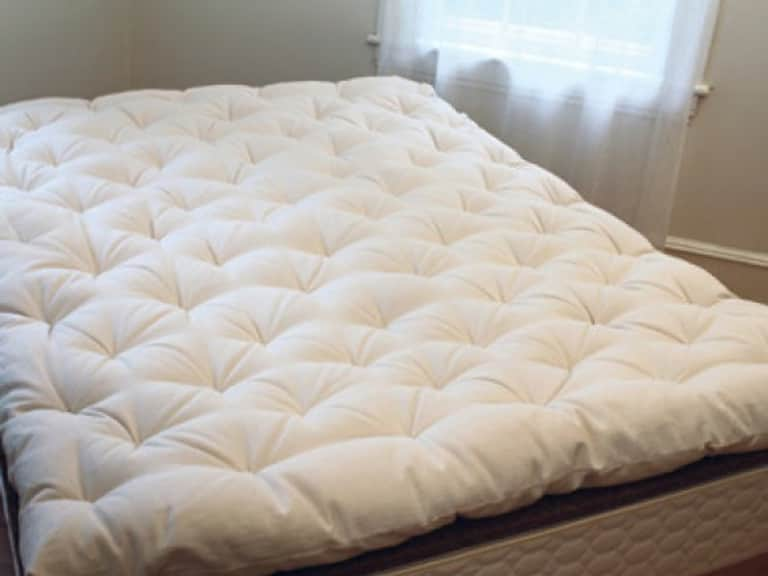
  • Vispring Heaven Luxury Mattress Topper — A topper crafted with British wool and cotton blend, designed to regulate temperature and relieve pressure points while adding a layer of opulent comfort. This piece demonstrates how a simple top layer can transform nightly rest while signaling a commitment to natural materials.
  • Savvy Rest Pastoral Wool Mattress — A latex-free option that uses GOTS-certified organic wool batting inside a tufted organic cotton cover. It showcases how organic wool can form a supportive, breathable core without synthetic components.
  • Savvy Rest Pastoral and Savvy Rest family — The line emphasizes latex-free design and breathable materials, reinforcing the principle that organic comfort can be achieved through thoughtful material selection and construction.

Notable Considerations for Certification and Comfort

Certifications guide the consumer through the complexity of mattress manufacturing. They provide a credible framework for assessing whether a product lives up to its organic promises. When shopping, consider:

  • Is the entire textile composition certified, or only certain layers such as the cover or wool fill?
  • Are there independent third-party verifications beyond the primary certification (e.g., environmental or social impact reports)?
  • What is the warranty and durability expectation for the materials used?

Three Timelines: Key Individuals from Different Eras Shaping Sleep Thought

The conversation about sleep and comfort is enriched by voices from diverse periods. Here are three influential figures who, in different decades, contributed to how we think about materials, ergonomics, and wellness.

Mid-20th Century Innovator: Dr. H. A. Mayer

Era: 1950s–1960s

Dr. Mayer’s work on orthopedics and posture laid groundwork for ergonomic sleep research. His studies linked spinal alignment with sleeping surfaces, urging a shift from hard, one-size-fits-all beds to surfaces that accommodate contours and movement. The legacy is the continued emphasis on support zones and dynamic response—concepts that still inform modern mattress engineering.
Late 20th Century Pioneer: Dr. Susan Blake

Era: 1980s–1990s

Dr. Blake explored the intersection of environmental health and sleep. Her advocacy for reducing volatile organic compounds (VOCs) in consumer products helped catalyze a broader demand for lower-emission textiles and safer bedding components. Her work nudged the industry toward transparency about adhesives, foams, and finishes, which trickled into organic and "green" certifications.

Contemporary Thought Leader: Dr. Mei Chen

Era: 2010s–Present

A sleep scientist and materials researcher, Dr. Chen has championed data-driven approaches to mattress testing, emphasizing sustainable materials, breathability, and microbial safety. Her work underscores how certification standards intersect with consumer health outcomes, and she frequently collaborates with independent laboratories to validate mattress performance across diverse sleeping populations.

A Thoughtful Closing: The Quiet Luxury of Informed Choice

In the ritual of choosing an organic mattress, the goal is quiet confidence. It’s about prioritizing materials that are gentle on the body and the planet, about verifying promises with credible certifications, and about trusting your own comfort signals. The right organic mattress becomes a daily ritual of self-care—an investment in health that whispers rather than shouts.

If you’re embarking on this journey, begin with curiosity: ask manufacturers about the full material lifecycle, request documentation of certifications, and seek independent reviews and testing. The sleep you gain will be a reflection of your discernment—the ultimate luxury in a world that wants good rest to be effortless.


Product Spotlight: Vispring Heaven Luxury Mattress Topper

The Vispring Heaven Luxury Mattress Topper, crafted with British wool and cotton, embodies the elegance of organic comfort. It offers temperature regulation, pressure relief, and a luxurious touch—an example of how a single component can elevate the sleep experience without sacrificing natural materials. Its craftsmanship demonstrates how thoughtful layering and natural fibers can create a sanctuary for the night.

Price: $2175.00

Note: Images and product visuals are provided for illustrative context; always verify current specifications and certifications directly with the manufacturer.

Other Notable Organic Options

  • Savvy Rest Pastoral Wool Mattress — A latex-free option featuring organic wool batting within a tufted organic cotton outer cover. Emphasizes breathability, temperature regulation, and a latex-free approach for sensitive sleepers.
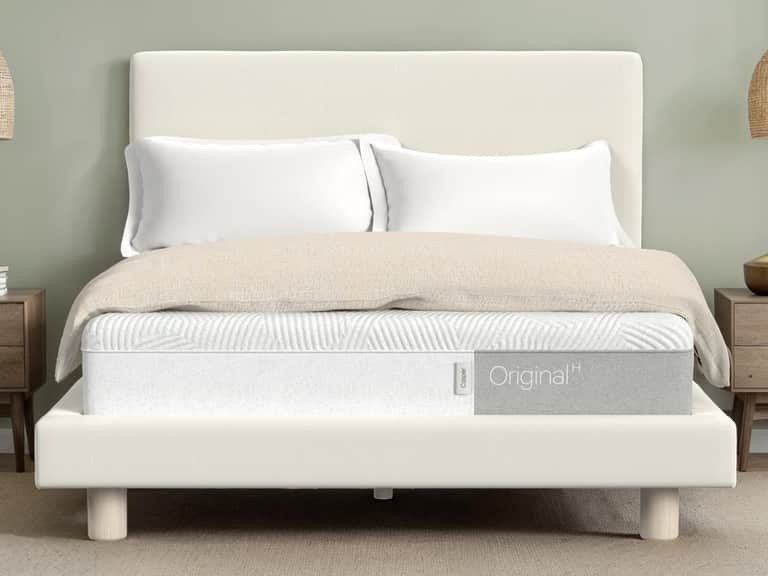
  • Original Hybrid Mattress (Casper) — Represents a modern hybrid approach combining foam and springs, with attention to airflow and spinal zones. While not inherently organic, it offers a benchmark for how hybrids are evolving toward breathability and comfort that can coexist with green certifications when materials are responsibly sourced.

Related Products

Vispring Heaven Luxury Mattress Topper

Vispring · No. COVSTMHL

Vispring Heaven Luxury Mattress Topper

Sink into cloud-like comfort with British wool that breathes, tempers warmth, and eases pressure for deeper, restorative sleep—every night, lifted by a plush cotton blend and refined edging. Experience pure, well-being from Vispring Heaven Luxury.
Savvy Rest Pastoral Wool Mattress

Savvy Rest · No. SAVVYREST-PASTORAL-4.5INCH-OG-WOOL-MATTRESS

Savvy Rest Pastoral Wool Mattress

Experience cooler, drier sleep with a latex-free, organic wool mattress that breathes, wicks moisture, and regulates temperature for natural, chemical-free comfort. Handcrafted, tufted cotton cover; versatile as a cozy futon too.
Original Hybrid Mattress

Casper

Original Hybrid Mattress

Sleep cooler and more supported all night thanks to breathable Casper Signature Foam and three ergonomic zones that align your spine. Hybrid design adapts to your movement for lasting comfort and targeted pressure relief.

Theme